
Homily, September 28, 2025
From The Pastor
Death is the great equalizer. Throughout life different experiences arise that serve as opportunities to rethink our priorities and the manner of our way of life. Sometimes it simply comes with the maturity of our years. It may be the reception of a great blessing in one form or another. It may come in a time of crisis, loss, serious illness, or the death of a loved one. Different events, great or small, can serve as an awakening of the soul that leads to a conversion of heart. It is typical that we create our own course in life in the manner of our liking. Without much thought our priorities rise to the surface, and we claim and follow those things that are most advantageous to our interest and wants.
As professed Christians, do we allow the death and Resurrection of Jesus to impact our manner of life? The call of the Christian life is to model our lives on the life of Jesus in justice, mercy, and compassion. Merely professing Christ as Lord is not an automatic open door to the promise of heaven. If we talk the talk of the Christian gospel we must by necessity walk the walk of loving our neighbor as we love ourselves. To profess love for God is too live in a manner of the Divine way. Jesus is the Master who has shown the way.
Consider the life of Amos. Amos lived in the Southern Kingdom of Israel. He was of the lower class, a shepherd and dresser of sycamore trees. As a man of faith, Amos aligned his life with the life of God. He knew the Hebrew scriptures and the primary call of justice in care of the poor. Pained in conscience regarding the plight of the poor in the Northern Kingdom, God calls Amos to be a prophetic voice against the wanton luxury of the rich against the crippled life of the poor. Just reading his description of those who live in excessive abundance should stir the heart of each of us who seek to follow the way of the Lord. His words are a compassionate warning that one day their riches would be their fall. In fact, historically at this time, Assyria overtook the Northern Kingdom of Israel. Those first led into exile were the leaders of that time. Their excessive greed and absence of compassion for the poor, and their empty worship of God led to their demise. ‘Therefore, now they shall be the first to go into exile, and their wanton revelry shall be done away with.’
The parable of the rich man and Lazarus is a direct parallel to the first reading. Remember it is a parable for the purpose of alerting the religious leaders of their misalignment with the ways of God. The parable can feel too real because it confronts us with the ways of the world today.
It is not a sin to be wealthy. It is sinful to be wealthy and blindly ignore the suffering poor around you and do nothing. It is a common rationalization to claim wealth as a blessing of God’s favor and personal approval. Similarly, it was commonly thought that the poor were suffering punishment for their sins. Both views are ignorant and dismissed by Jesus. Those who have gained great wealth often do so off the backs of the poor.
Willingly blinded by the excess of his daily comforts, Dives knows Lazarus is at his door but ignores his plight as if he were not there at all. In the parable, the rich man is not given a name. To give him a name would make it easy to place all blame on him. Remaining nameless forces us to realize how the parable may be reflected in our lives. The name Dives was later made up to ease the tension of the story. Dives is a word that means ‘a man of wealth.’
It was not the wealth of the rich man that kept him out of the bosom of Abraham. It was his refusal to see and respond to the needs of Lazarus suffering at his front door. After death, notice that Dives suddenly knows the name of Lazarus. He directs Abraham to send Lazarus to bring him a cup of cool water. Dives still treats Lazarus of no account except to serve his needs.
What is the takeaway here? Justice, charity, and compassion are non-negotiable in the Christian life. The wealthy of the world are gaining wealth while those with middle or lower-income status have less. The challenge is to hear the Word of God and put it into practice in our lives. Lost in his comfort, Dives refused to accept the ways of faith failing to show compassion to his neighbor. Now in torment, he expects Lazarus to serve his needs.
The Resurrection into the life of heaven will have nothing to do with our bank accounts. It will have everything to do with how we have responded to those in need. This is not a guilt trip trying to squeeze money out of people. It is not about the amount of money given; it is about the love and compassion we offer others in need because we seek to put the Word of God into practice. If you have few material goods to share, then the greatest gift is your prayer, compassion, and solidarity with those who suffer with little hope for resolution. Be at peace. Love your neighbor as yourself. If you are in critical need, please let someone know.
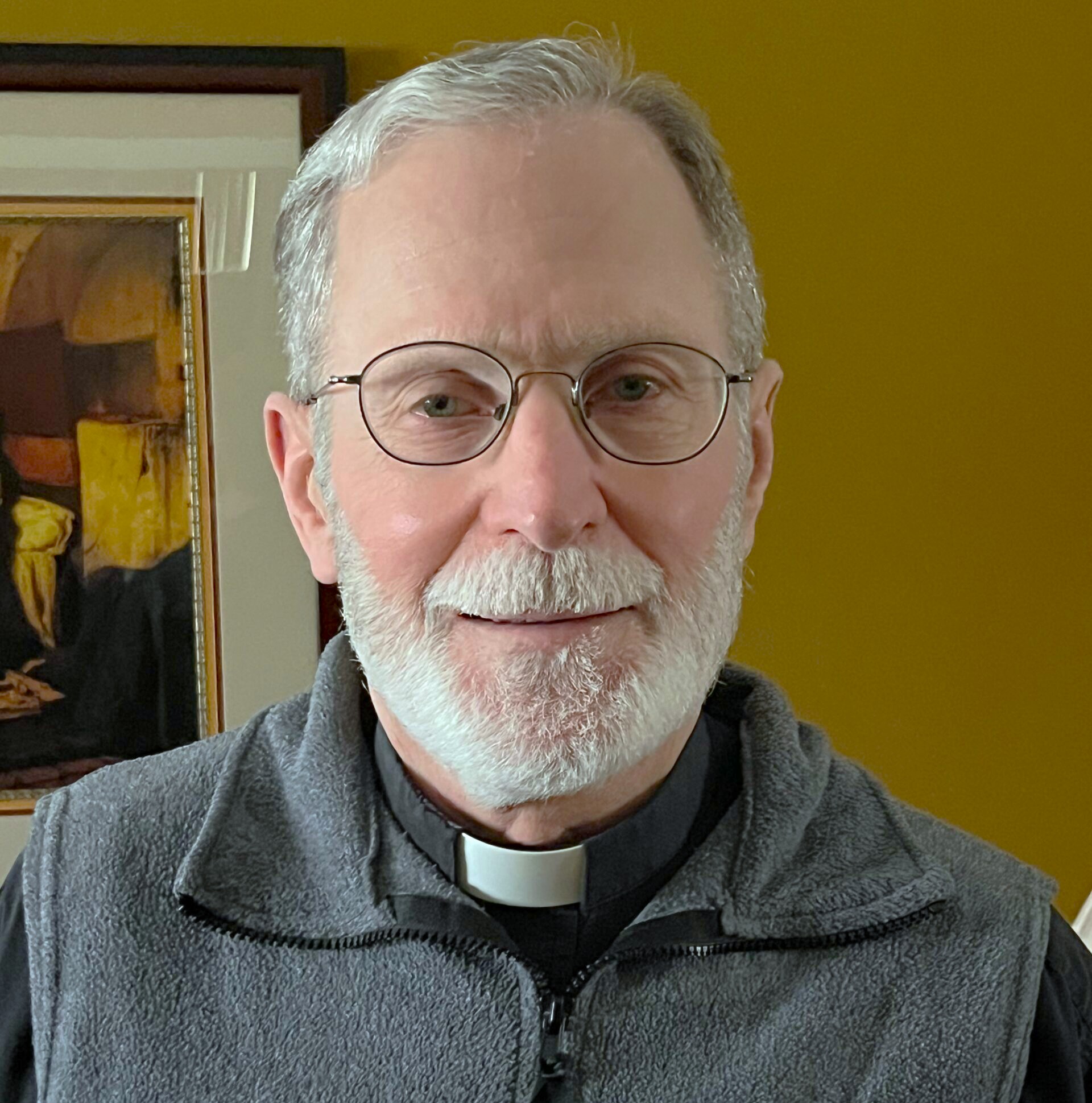
Father John Esper
Recent Sermons
Homily, March 1, 2026
March 01, 2026
Homily, February 22, 2026
February 23, 2026
Homily , February 15, 2026
February 15, 2026