
Homily , March 8, 2026
From The Pastor
Conversion is a beautiful thing. Conversion is an awakening to a new freedom through liberation from a past that has long weighed a person, a family, a community, or a society down. Most conversions are not self-initiated. True conversion comes by grace. Self-made conversions are different from a spiritual conversion initiated by God. Self-made conversion moves in the strong arm of personal discipline to change an unhealthy habit or way of life to gain the freedom of personal desire. This is a good thing, but not a spiritual conversion that turns the mind and heart to God through the work of grace.
The Lectionary cycle which we are now in, is directed to the work of conversion that inspires faith in those preparing for Baptism and reception into the Catholic Church at Easter, as well as the whole community. The readings proclaim several conversion stories to relay how God calls his people to a living relationship of faith. Conversion is a lifelong journey. It is a day by day working out our salvation through maturing faith that calls for a surrender of an old life to a new life in God.
The first reading tells the story of our Exodus from a slavery to sin toward a new freedom of faith in the living God. The biblical Exodus that freed the Israelites from slavery of hard labor is the templet of the universal exodus of humanity away from sin toward the promise and reward of eternal life. Exodus is the by-word for each of us personally and all humanity collectively as we journey from sin to the freedom given us in the Lord Jesus. The journey of conversion is a process with many difficulties along the way.
The story of Israel’s freedom from slavery was not an easy one. Notice the imagery and the words used in the encounter. ‘In their thirst for water, the people grumbled against Moses.’ God wants thirsty souls open and willing to accept the life God offers us. The Israelites wanted to slake their physical thirst on a hot and endless journey. The theme reaches into the gospel as the woman at the well draws water to slake her thirst and meet her needs. Jesus wants to give her ‘living water.’ Thirst is a spiritual word. Jesus himself says from the Cross, “I thirst.” What is being said here?
The thirst of God is to draw all humanity and creation into union with God. God wants his people to thirst for him. It is hard to be thirsty. It is uncomfortable and physically draining that leads to irritability and complaint. This was the case with those wandering in the desert. Their wandering was a search for God whom they hoped for, but their commitment was weak. In their weariness they complained to Moses, “Why did you ever make us leave Egypt? Was it just to die here of thirst…? In their thirst, slavery in Egypt did not seem so bad. At least they could count on regular food and water.
The woman at the well is also looking for freedom from a past filled with pain and heartache. She too is looking for freedom from an old life to the new. It is an exodus from past hurt, pain, and disappointment to a new life of love and commitment. But how does one get from here to there? Every human being is thirsty for something; ultimately, we are thirsting for the peace Christ offers. Longing and searching for God, never forget God is always seeking you. The desire to seek Christ, is the evidence that Christ is already near.
Jesus is also thirsty, in this case, for her soul. Reading the situation at the well, Jesus in his thirst to draw the woman in says, “Give me a drink.” He begins a relationship. The One who is the source of living water seeks a drink of water from the one thirsting for freedom. Conversion follows a pattern of resistance and complaint. She scoffs at him, “The well is deep and you do not have a bucket.” Even in our deepest longing for freedom and new life in God our first response is often to push away.
Jesus is unmoved by her rebukes. He speaks of living water that stirs her curiosity. She wants fresh water while he is offering her the living water of faith. She softens, sensing the Lord’s sensitivity and insight. Her story comes out and she claims Jesus to be a Prophet. Notice the deepening movement toward faith in God. The woman admits her hope in a coming Messiah. In a rare admission of his identity, Jesus says, “I am He, the one speaking to you.”
As a people of faith, we are on our exodus to God. To find God, we need Christ. To find Christ calls for a lifelong conversion that pulls us from the path of our own making to a new path set before us in the way of God. We will resist and complain, but God in Christ will never stop calling us. We thirst for God. God thirsts for us. Resistance is wasted energy and complaining is like bad breath to God, unpleasant but never enough to send him away. God is seeking you, drawing you to himself. Surrender. Tell God your story. Leave the past behind and accept the freedom of the new path set before you. It leads to the Promised Land.
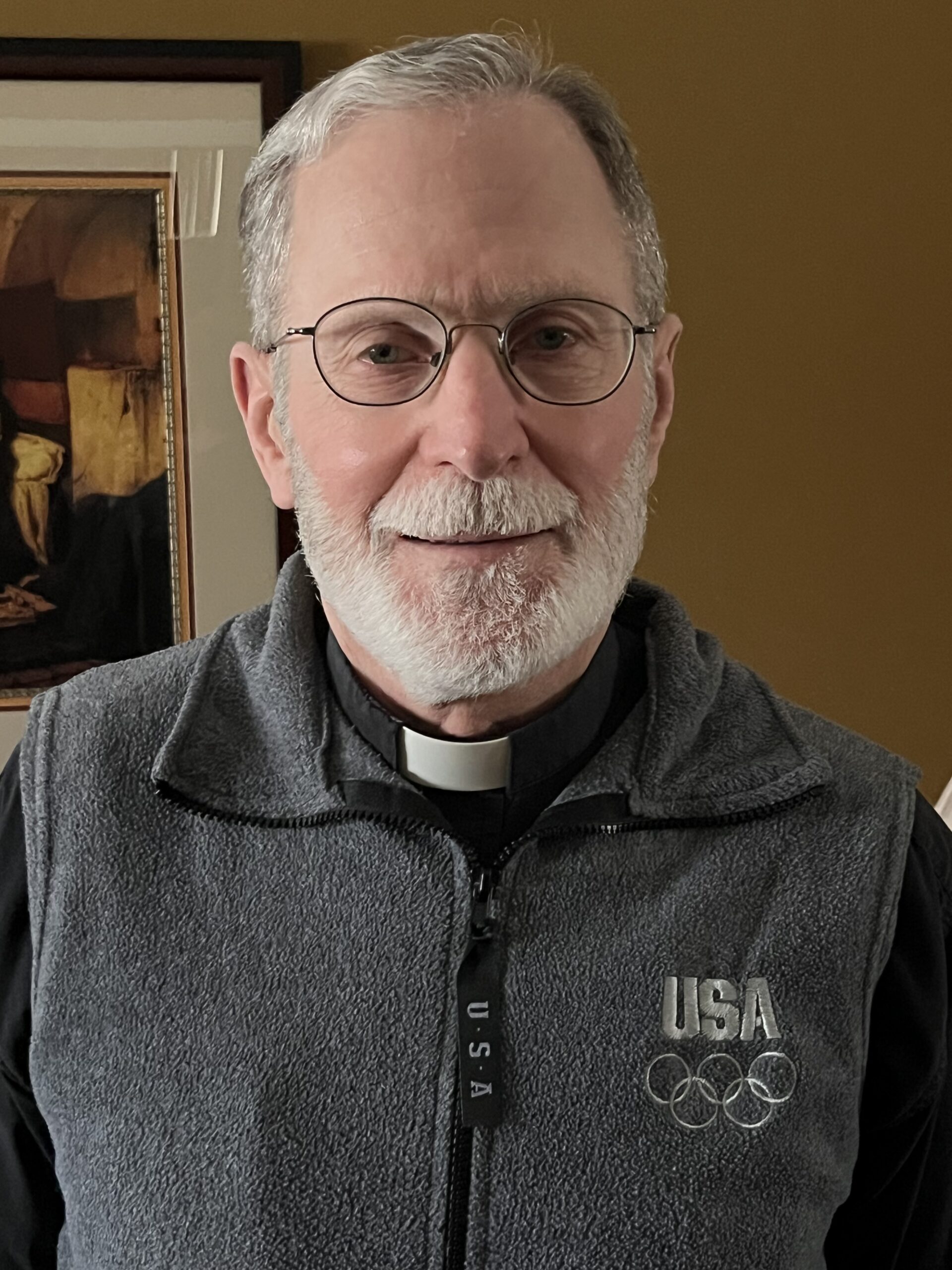
Father John Esper
Recent Sermons
Homily, March 1, 2026
March 01, 2026
Homily, February 22, 2026
February 23, 2026
Homily , February 15, 2026
February 15, 2026