
Homily, March 1, 2026
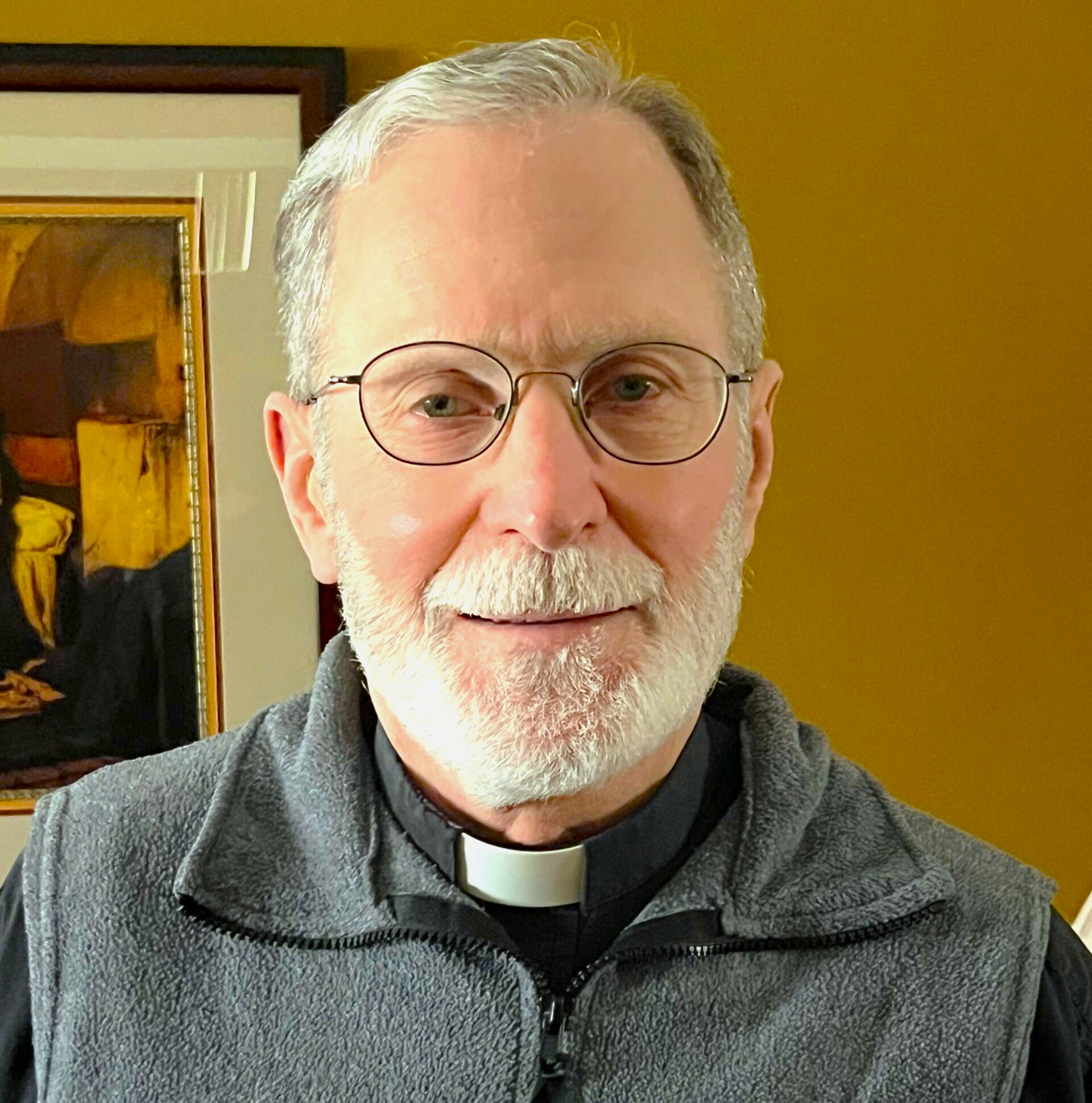
From the Pastor
Hidden in plain sight, God can be hard to find. The truest, most real things in life can take the greater part of our lives to realize and accept. Love is a mystery that befuddles most of us. Suffering is impossible to understand and even harder to quietly accept. God in the Incarnate person of Jesus, whom we profess as the Christ, is the essence of love realized through the suffering of the Cross. With faith in the surrendered obedience of love, Jesus commits himself to the redemption of the Cross.
Today we ponder the mystery of the Transfiguration. The Transfiguration reveals Jesus in his glorified self while in the presence of the leading disciples, Peter, James, and John. Biblical tradition interprets this event as a confirmation of the identity of Jesus as he seeks to prepare the disciples for his suffering and death. It is a miracle of revelation to strengthen the disciples against the trauma and shock of the Lord’s Cross.
To understand what the Transfiguration means, and how we might recognize it in our own lives, Peter is the best place to start. The Transfiguration takes place between the first and second prediction of the Lord’s suffering and death. With great fear and resistance, Peter and the other disciples do not understand why Jesus would be killed. Peter rebukes the Lord, ‘God forbid that any such thing should happen to you.’ With a harsh rebuke, Jesus responds, ‘Get behind me, you Satan.’ We can only imagine the confusion and fear in Peter and the others.
Peter does not and cannot understand Jesus, yet he loves him and increasingly believes him. Yet this rebuke must have stung him deeply. Still, Peter stays; he does not sulk and move away. This setting with all its emotion sets the scene that deepens the need for the Transfiguration.
It is not clear if Jesus knew this event was about to happen. Did Jesus transfigure himself, or was it the work of the Father? Something happened between the Father and the Son to bring forth this revelation. The event was intended to strengthen the disciples in the coming trauma of the Cross, however in his full humanity, Jesus must have also been consoled in the confirmation of the Father’s glory revealed in him. Jesus himself is blest and made secure in his impending decision to accept the reality of his death.
The disciples needed help. The Transfiguration was a gift to them in preparation for the mystery of the Cross that bears the fruit of universal redemption. Some gifts are hard. Peter and the others were terrified, falling on their faces in fear, while at the same time knowing they were in the presence of the Divine. Stupefied, not knowing what to say, Peter cannot resist saying something. Knowing he is in a divine moment, Peter recovers enough to say, “Let me build three tents, one for you, one for Moses, and one for Elijah.” The scene closes with Jesus calling them to “Rise, and do not be afraid” with the caution to not tell anyone of what they had seen.
God, love, and suffering are a mystery, but they are very real and present in our daily lives. Mature love changes a person, it transforms. Mature love learns to obey and surrender. The love in Jesus leads to the obedient surrender of himself to the Father’s love. It meant his death, but it fulfilled and satisfied his deepest longing to be one with the Father in a common will for the good of all.
At most weddings I say, “love is a suffering.’ On more than one occasion, I have been told I should not say that on such a perfect and beautiful day. It is exactly what I should say. The young bride and groom do not yet know this in the bliss of their wedding day love, but for their marriage to last, they will need to learn it. Love can only mature in the surrender of one for the other. This is a process that is often painful and regularly resisted. The surrendered obedience of love mirrors the reality of the Cross. Something of the self is surrendered for the sake of the other to bring about a greater good.
It is the same in the life of a priest. Like any married couple or parents, the priest must surrender and give himself to all that is asked of him in the service of his vocation for the good of others. Similarly painful and equally resisted at times. Those who do surrender find a greater peace, revived energy, with inspired hope in the good that is accomplished. Love bears its fruit.
To accept the suffering love calls for and the self-giving it demands opens the eye to the glory and the beauty of God’s presence. God, in love and suffering transforms and the light of its glory sustains.
Father John Esper
Recent Sermons
Homily, February 22, 2026
February 23, 2026
Homily , February 15, 2026
February 15, 2026
Homily, February 8, 2026
February 08, 2026