
Homily, January 25, 2026
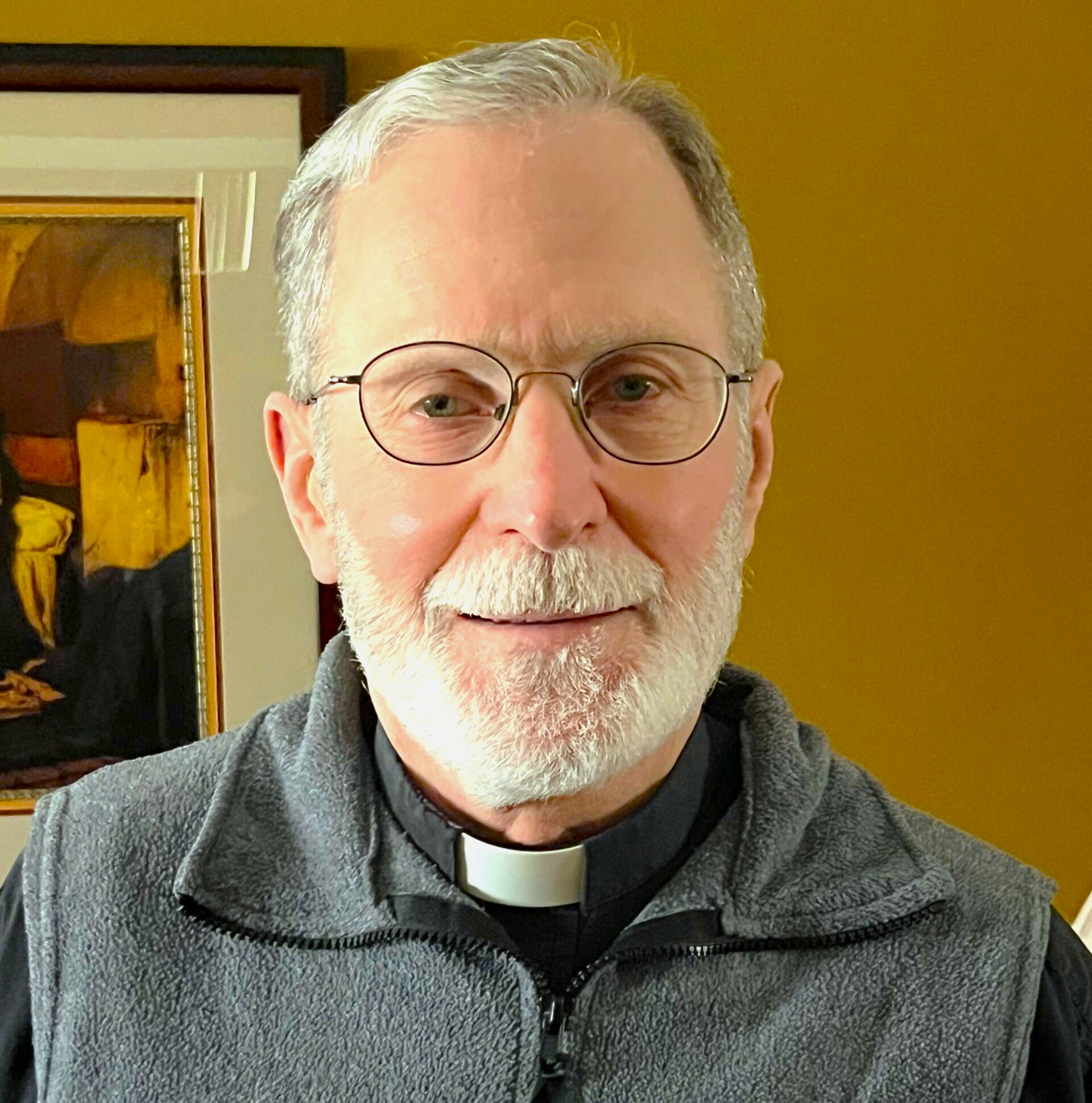
From The Pastor
I want to begin this week with praise for God. Today, as initiated by Saint Pope John Paul II, is Word of God Sunday. The Word of God relays to us that scripture is a cornerstone of our faith. The Word of God awakens the soul, stirs the heart, and informs the mind of the truth of God in Christ. The Word forms, transforms, converts, and convicts us. It leads us to hope, forms us in love, and animates the mind and heart in the Word made Flesh in the person of the Lord Jesus. Throughout the scriptures, God is praised, worshipped, adored, and proclaimed. The Psalms especially animate and invite our praise and worship of God to strengthen our faith and make us ever-the-more aware of the presence of God in our daily lives.
We cannot overdo our praise of God. God can never be given too much praise, worship, honor, or glory. As reflected in the Psalms, ‘God inhabits the praises of his people.’ Praise invites God’s attention and draws God’s presence. We are drawn to praise in many ways. Humble gratitude inspires us to the majesty and glory of God for the gift of redemption in the person of the Lord Jesus. Jesus himself inspires our praise, reverence, honor, and glory. A time of rich blessing, a time of worrisome distress, a time of heart felt mercy and forgiveness, or a time of great blessing are all opportunities to offer praise to God; or for no reason at all but for the joy of simply being alive as a gracious gift of God’s creation. Praise be God in the Lord Jesus Christ who, in selfless love has saved and set us free.
The readings today reflect the congruence and consistency of God throughout the work of our redemption. History and context are always important to understand the rhythm and reason for words being used. The history and context are the lands of Zebulun and Naphtali, two tribal territories in the northern most regions of Isreal. These territories were under continual conquest by neighboring superpower nations. As a result, this land within Israel was inhabited by Gentile people due to occupation and migration caused by servitude to their conquerors. Ethnically and culturally, these foreigners were out of step with the religion and God of Israel. As such, Isaiah identifies the area as one of darkness and gloom. Darkness refers not only to the oppressive weight of war and regular conquest, but also to the darkness that lacks the light of faith in the living God of Israel. Through divine inspiration, Isaiah prophecies the dispelling of this darkness and gloom: “the people who walk in darkness have seen a great light, upon those who dwell in the land of gloom a light has shown.” By the work of God, Isaiah prophesies a yet unknown Messiah who will bring the light of liberation and hope to all who live in the darkness of fear and unbelief.
The prophecy is fulfilled in today’s gospel. Again, setting and context. Jesus is at the beginning of his public ministry initiated in response to the death of John the Baptist. Jesus leaves Nazareth and travels north to Galilee to live in Capernaum. He goes intentionally to the territories prophesied by Isaiah. Notice the implications.
It is in this setting of oppression, absence of faith, and harsh living that Jesus chooses to begin his ministry. Jesus is the light that dispels the darkness of those without hope that they might awaken to the knowledge of a trustworthy God. Gloom is replaced by a call to repent, believe, and learn the true reality of God seen in Jesus. This is the Good News of the inaugural message of Jesus’ call for repentance while healing the sick and comforting the hopeless. By his words and actions, Jesus is revealing the kind of Messiah he will be. The redemption of Jesus is inclusive, not only for the people of Isreal, but all people, Jews and Gentiles, sinners and saints, believers, and non-believers.
The first thing Jesus does as he begins his public ministry is gather others around him, not only for friendship and support, but also that they may come to believe in him and serve as agents to bring about the Kingdom of God. Jesus calls every day working people, not the high and mighty or those with the influence of power. Jesus himself knew the work-a-day world as a carpenter as he supported himself and Mary in his early adult years. Jesus reveals God as an everyday God who knows and respects the rhythms of ordinary daily life, not a God of rules and law keeping out of reach of the poor.
How do you know and see God in your life and call to make the Kingdom known? To praise and honor God is to know the presence and action of God in your daily life. Making God a part of your daily awareness will alert you to the personal care and love God has for you. Love inspires gratitude that builds hope, meaning, and purpose even in the mundane tasks of life. Perceiving the constancy and fidelity of God’s presence that draws us ever closer to the fruit of our redemption is certainly worthy of our praise and worship of God. Praise be God in Jesus Christ.
Father John Esper
Recent Sermons
Homily, March 1, 2026
March 01, 2026
Homily, February 22, 2026
February 23, 2026
Homily , February 15, 2026
February 15, 2026