
Homily, February 23, 2025
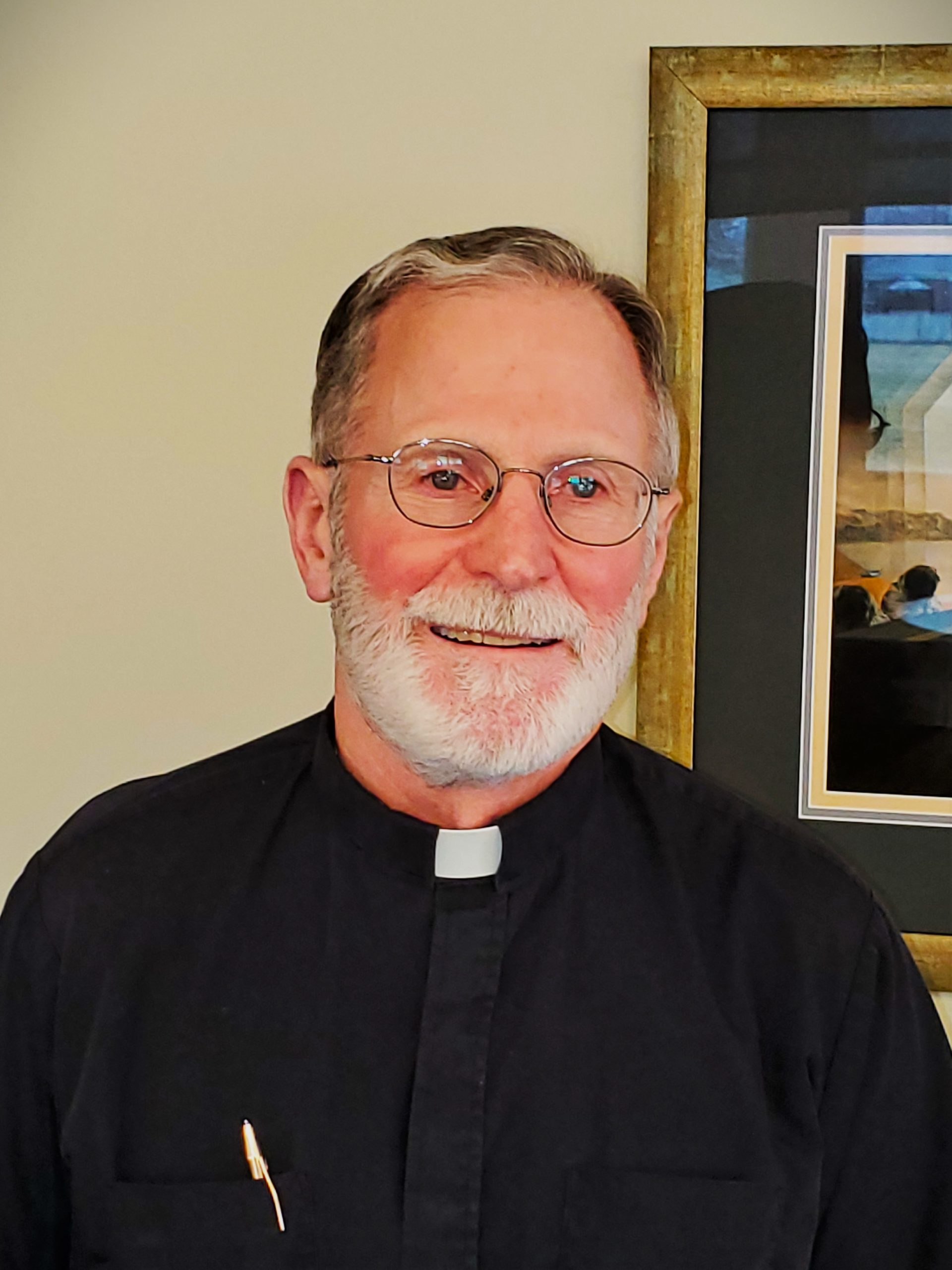
From The Pastor
The ways of God in the Old Testament and now in the Christian age are rarely mirrored in what is considered normative societal and cultural behavior. Human societies have always been burdened with social and economic competition, jealousy, and violence. The strong and powerful have long weighed heavy on the weak and the downtrodden. The weak and the vulnerable are often the scapegoats for those in power.
From the beginning, the ways of God have always taken the side of the vulnerable and the poor. Hospitality in the Old Testament was a matter of non-negotiable reception of the traveler, stranger, the widow, and the orphan. In harsh desert environments this was a matter of life and death. Today, we are blessed with or confronted by the stark realities of God most fully practiced and directed by the person of the Lord Jesus.
One cannot miss the righteousness of David against the murderous jealousy of King Saul. It is a gripping scene of violence and mercy. Saul is on a path to seek out David and kill him out of jealousy and fear of losing his Kingship. David comes upon Saul asleep in his camp. His first assistant wants to kill Saul with his own sword. David will not allow it. With reverence for God and respect for God’s anointed one in King Saul, David will not harm his enemy. David knows and honors that God will not look kindly on violence against the vulnerable and the defenseless.
In righteous wisdom, David takes the spear and canteen of Saul as a sign of how close he was and how easily he could have taken Saul’s life. He could have rightly done so as Saul was intent on killing David. David had a heart for God and honored the Divine way. The next day, David taunts Saul with the sword and canteen as evidence of his mercy when in fact he had power over Saul’s life. Saul’s heart softens and he repents his action against David and at least for a time accepts the friendship of David.
This reading is intentionally paired with today’s gospel. Generations before the time of Christ, David is practicing the mercy and love of his enemies that Jesus preached and practices in his time. This is a universal message for all societies. Although some more than others, most societies are driven by competition that leads to injustice and oppression over others for the sake of a few. It is so common that it is accepted as normative social behavior. Everyone knows it is wrong and things should not be that way, but few are willing to surrender any gained power, control, or security for the sake of making things right for others. In cultures of violence and power a stance of non-violence seems radical, even irrational.
Jesus lived in a violent and oppressive culture. Everyone knew his words and ways were right and true, but too radical and risky to make sense. For the powerful and the strong, those sitting on the top of the hill, the ways of God appear ignorant and foolish. Rightful or not, they are dismissed out of hand.
Outside the mind and the heart of Christ, who is the revelation of Divine love, no one is naturally drawn to love one’s enemies and do good to those who have hurt them. On the other hand, who has not experienced the grace and freedom of forgiveness and reconciling with an enemy. Who has not felt the grace and goodness of righting a wrong or responding with peace in the face of hatred or rejection.
Jesus challenges us to trust more in our capacity to heal and reconcile than to conquer or ‘kill’ those against us. His words are simple and obvious, yet the most difficult to practice. To live and act in hate, fear, or in a stance of being against others only exposes and reveals to others what is in your own heart. The words of Jesus are prophetically true. “The measure with which you measure will in return be measured out to you.” In good or in ill.
If you do not want to be judged, do not judge. If you do not want to be talked about, do not gossip about others. If you do not want to be condemned, hated, rejected, taken advantage of, harmed by another, or stolen from, then do not do it to others.
The pinchy part is that when these difficult things happen, and sadly they will, we are called to forgive and respond with some action of peace, wisdom, or righteous silence. This does not mean you must accept violence, abuse, or other active demeaning harm. You have the right to live in an environment of grace and peace. Plant those seeds and those will be the plants that grow.
If you want to be forgiven, forgive, If you want mercy, and one day you will need it, then you must show mercy. If you want to be loved, then you must love. God, give us the courage and faith to live the gospel we profess mindful that you have first loved us, forgiven us, and shown us every mercy.
Father John Esper
Recent Sermons
Homily, March 1, 2026
March 01, 2026
Homily, February 22, 2026
February 23, 2026
Homily , February 15, 2026
February 15, 2026