
Homily , April 19, 2026
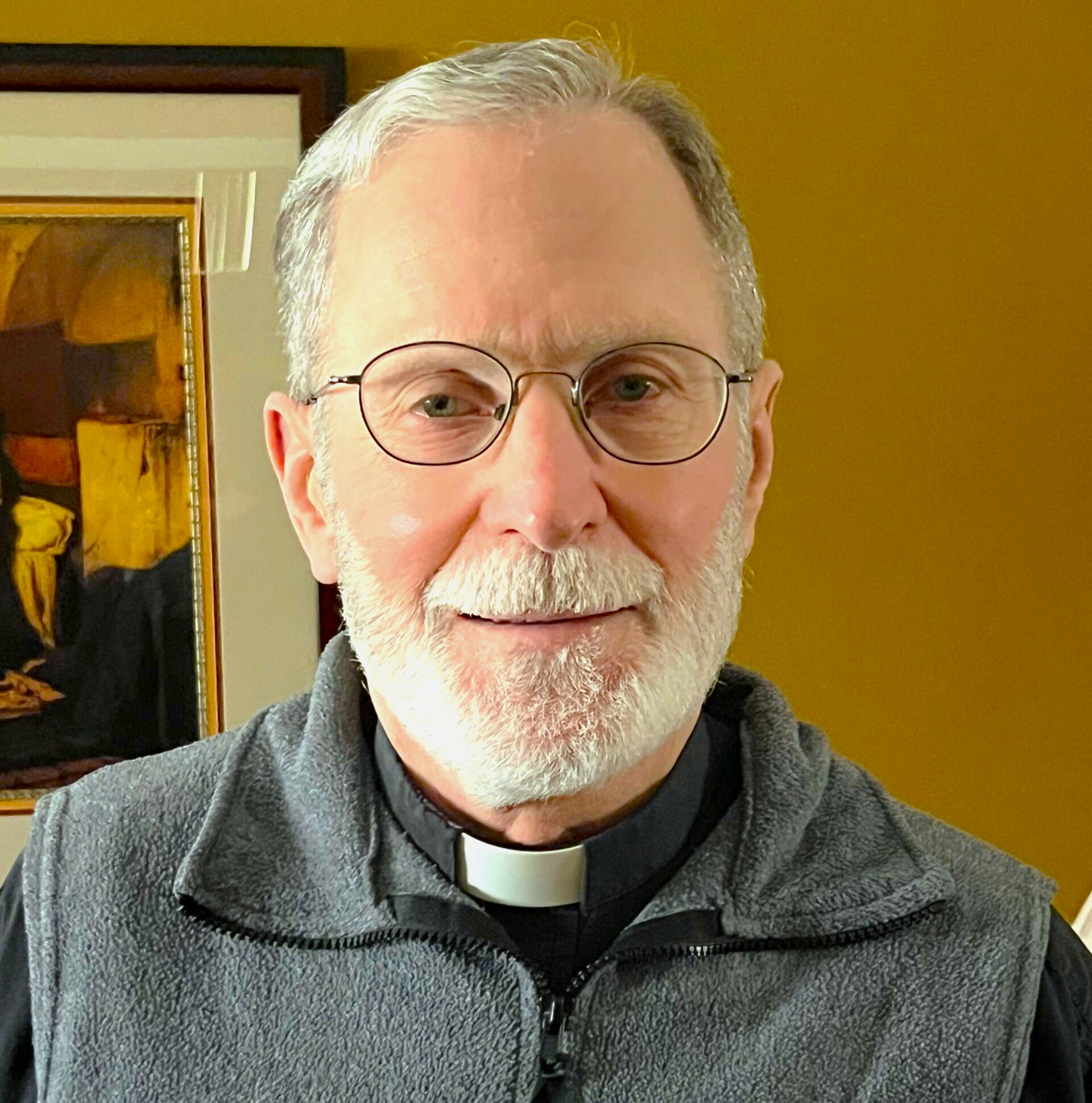
From The Pastor
On Easter Sunday, I shared various aspects of the joy realized in the Resurrection of Jesus. Easter is the pinnacle of the Christian year that proclaims new life after death. The Resurrection confirms our redemption through the forgiveness of sin with the promise that Jesus will always be with us. Where Jesus has gone, we will follow.
How do we grasp and retain this flush of joy after the Alleluias have finished ringing in our ears? It is a stirring moment of grace, hope, and inspiration, but how do we retain this peaceful bliss through the everyday journey of life? It must be remembered that the Resurrection of Jesus first demanded an unjust and undeserved death on a Cross. Only out of death can new life come forth.
Joy is a gift of God. Joy is a spiritual movement we cannot create for ourselves or for others. After the feast of Easter Sunday, as we return to the rhythm of daily life, everything in the world remains unfinished and not looking much like anything is new. The problem with Easter is that it seems to just come and go like one more thing in the world. Easter is more than a one-day rush of joy. It is a way of life in the mud and grit and everything else between our first breath to our last. The joy of the Resurrection comes from living life with love despite or because of all the losses, hurts, and failures life brings us.
Joy is an essential and powerful human experience that helps us realize that more is going on than what meets the eye. Joy comes from the soul, that inner part in us where God dwells, so that precisely in the mud and grit of life, joy can still happen when things are at their worst. Like Jesus on the Cross. Joy is powerful because it stirs our awareness of God when the effort, pain, and failures in life seem to overtake us. Moments of joy renew our strength against the contradictions of sin and grace, the light and darkness, and the good and evil of life. These things cannot be avoided. The joy of Easter reminds us of the larger truth of divine love that in the end will bring wholeness and unity. In the gift of joy, we can recover from the losses, failures, and disorder we encounter because of the new life given us in the Resurrection of Jesus, the Divine Son. Love heals. Mercy revives. The Holy Spirit animates new life.
This is the perfect frame through which we can understand the two disciples of Jesus on their way to Emmaus. Their lives were rich and full in the presence of Jesus as they experienced his personal love and saw his miraculous power. Then he was crucified and it all appeared to come crashing down. They were left with the heartache of sudden death, loss, and confusion.
They do not know it yet, but they were in the mud and grit of a tragic loss that would lead to the joy of new life after death. In difficult times when we feel like hard and painful things pile up on us, joy is not often a felt emotion. Emotions can go numb. ‘I cannot take much more’ is a regular thought. We are not ourselves and we are less able to see people and things around us.
This is the case with Cleopas and his companion on the road to Emmaus. Downcast and trying to make sense of all that has happened, Jesus comes to walk with them. Odd, but not unusual given the circumstance that they do not recognize Jesus. Likely not even looking up, they are amazed this new companion is clueless of the event of Jesus’ death. This is a common response in times of great stress or loss.
Unfazed, Jesus takes control of the conversation. Why has Jesus come to walk with these two believers? He loves them and intends to lift their pain and loss with restored joy. Unimaginably, Jesus interprets for them all of scripture that reveals the necessity and meaning of his death on the Cross. The grace of the story touches their souls. Their hearts burn with mystery, a growing awe, and a new understanding. They do not want the Stranger to leave them. They invite him to share a meal, and the familiar breaking of bread opens their eyes to the presence of Jesus whom they most deeply long to see. Joy returns.
The word Easter has its origin in the Old English word ‘Eastre.’ It was the name of a festival celebration of the spring equinox. The new life of spring can only break forth after the long, cold, windy, harshness of winter. Even the cycles of life through seasonal change necessitate the pain of mud and grit before new life can come forth. Through death to Resurrection is a similar transformation.
Life is difficult. The Resurrection of Jesus did not change that. What it did change is that through every loss, trauma, sin, and even death, in Christ all things will find new life. God is ever-present. No darkness can overcome the light of Christ. Persevere. Keep the joy. In all the cracks of life, the light of Christ shines through.
Father John Esper
Recent Sermons
Homily , June 28, 2026
June 28, 2026
Homily , June 21, 2026
June 21, 2026
Homily, June 14, 2026
June 14, 2026