
Homily , March 15, 2026
From The Pastor
The story of the Blind Man who was healed by Jesus has many layers and points of focus. The one most impacted by the event was the man who gained his sight after a lifetime of knowing the world as a blind person. The effect of this miraculous healing reached well beyond the man himself.
Our catechumens are with us again today for their second scrutiny as they prepare to accept Jesus as Lord and Christ in the Catholic Church. The readings in these weeks are intentionally directed to these Catechumens to stir, inform, and inspire their faith in God, the Church, and the Sacraments they will receive. They have walked the journey of early beginnings to maturing faith as they have prepared over the last several months. As they are introduced to us, our role now is to actively support and encourage them as they will soon become one with us as full members in the Body of Christ.
Beyond the healing of the Blind Man, Jesus uses the occasion to awaken faith in all who are willing to see and accept the power of God within him. It serves as a learning experience for the disciples who believed the man was blind because of sin. Jesus says it was not caused by sin but would be used to reveal the works of God. The work of Jesus is to call all to faith in God the Father who sent Him. Those who witnessed the miracle were stirred in faith and had to make a choice to believe or not to believe. Some could see the power of God in Jesus, others would not. The religious leaders, despite unmistakable evidence, refused to see or acknowledge the power of God in Jesus.
A choice is presented. Jesus forced no one to believe in him. Out of compassion for the sick, Jesus healed those with any infirmity. The works of God performed by Jesus were done to inspire faith in all those willing to see the power of God in Him and believe. How are these signs revealing the work of God? Notice how Jesus accomplishes the miracle. Jesus images the work of creation when God formed the human being out of the clay of the ground. Jesus spat on the ground, made saliva and smeared the mud on the man’s eyes. The image is one of re-creation as a fruit of our redemption. Jesus re-creates the man in the original image of God’s design.
This re-creation is not primarily physical but spiritual. It was for the awakening of the heart and soul of the man to faith. Considered a sinner because he was blind, the man had no opportunity to enter the Synagogue, listen to the Torah, or learn the ways of God. Jesus awakens in him the light of faith, giving him eyes to see not only the created world, but a new life of faith from the heart.
Another layer of the story throws attention on those who refuse to accept the works of Jesus as coming from God. Presuming to see and know the ways of God only through the Temple Law, they refuse to see the power of God in Jesus by simply labeling him a sinner, a religious lawbreaker. Even here, despite their rejection, Jesus is working to lift their blindness inviting them to accept the works of God right before their eyes. The story even uses the formally blind man as the primary witness and agent of faith for the religious leaders.
As the beneficiary of the miracle, the man gives direct witness to the power of Jesus, even though he does not yet know who Jesus is. “How were your eyes opened?” “The man they call Jesus made clay, smeared my eyes, and told me, ‘Go to Siloam and wash.’ I went there and washed and now I see.”
Faith is a process, never one and done. After being thrown out by the religious leaders, Jesus finds the man and invites a profession of faith. “Do you believe in the Son of Man?” “Who is he, sir that I may believe in him?” “…the one speaking to you is he” “I do believe, Lord.”
The reading challenges all of us to grow in faith. Seeing is like selective hearing. As we tend to hear what we want to hear, we also tend to see what we want to see. The invitation is to see Jesus with eyes of maturing faith. This is a day-to-day challenge. If we are seeking God in our lives as our deepest identity, meaning, and purpose, then we must learn to see and accept the presence of the Lord within and around us. If we presume to see, know, and understand the ways of God we are believing in an image of our own making like the religious leaders who refused to accept the power of God in Jesus.
Consider the humility and surrender of the Blind Man. He did not ask for healing, yet he did not reject the wet mud Jesus smeared on his eyes. He did not know or understand who Jesus was, but he wanted to know. He believed his healing was a work of God. He accepted the Divine power of Jesus and was given a new life. How or where do you see the works of God in your life? Do you accept them and allow them to change you? Please do.
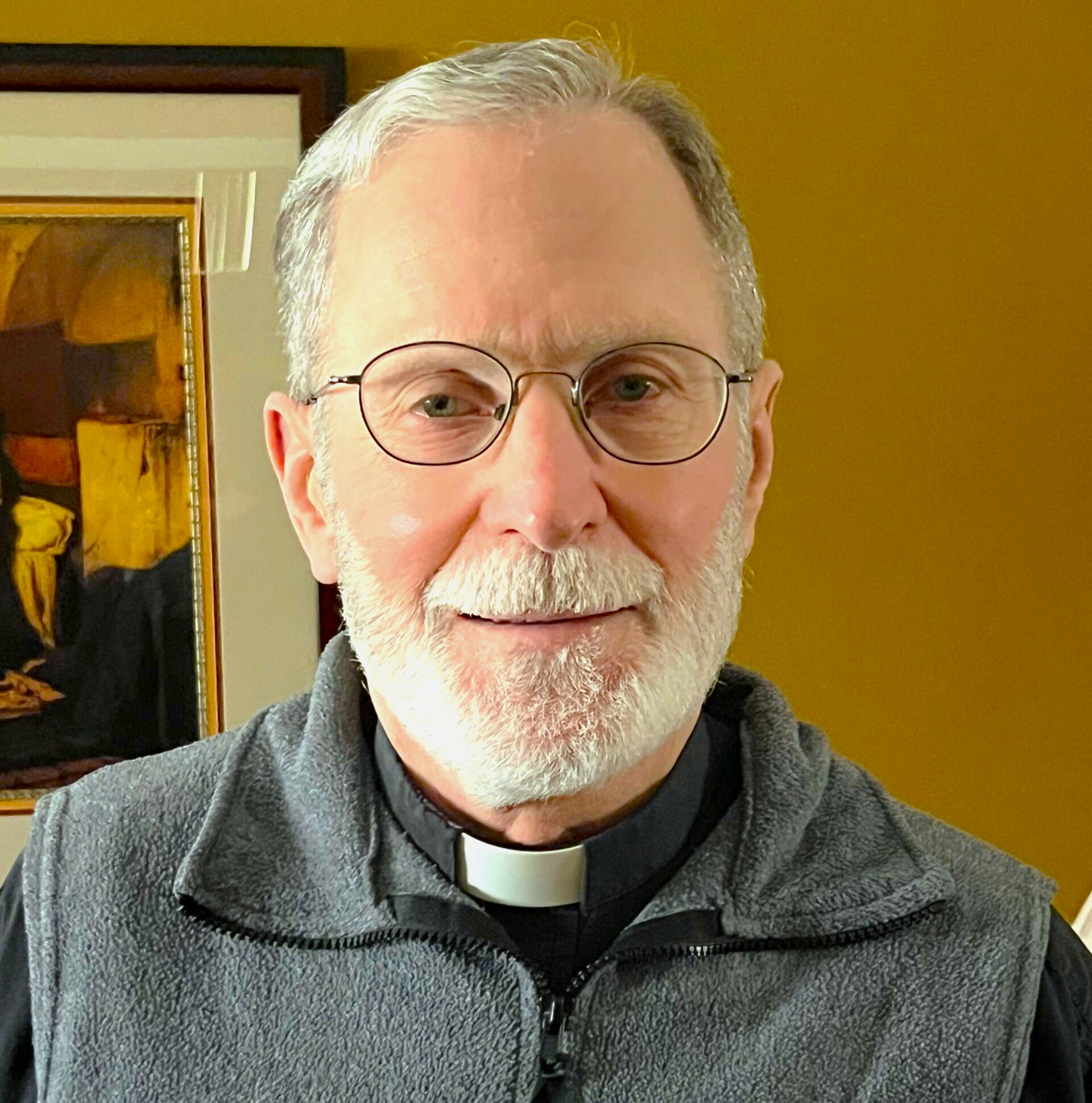
Father John Esper
Recent Sermons
Homily , June 28, 2026
June 28, 2026
Homily , June 21, 2026
June 21, 2026
Homily, June 14, 2026
June 14, 2026