
Homily, December 14, 2025
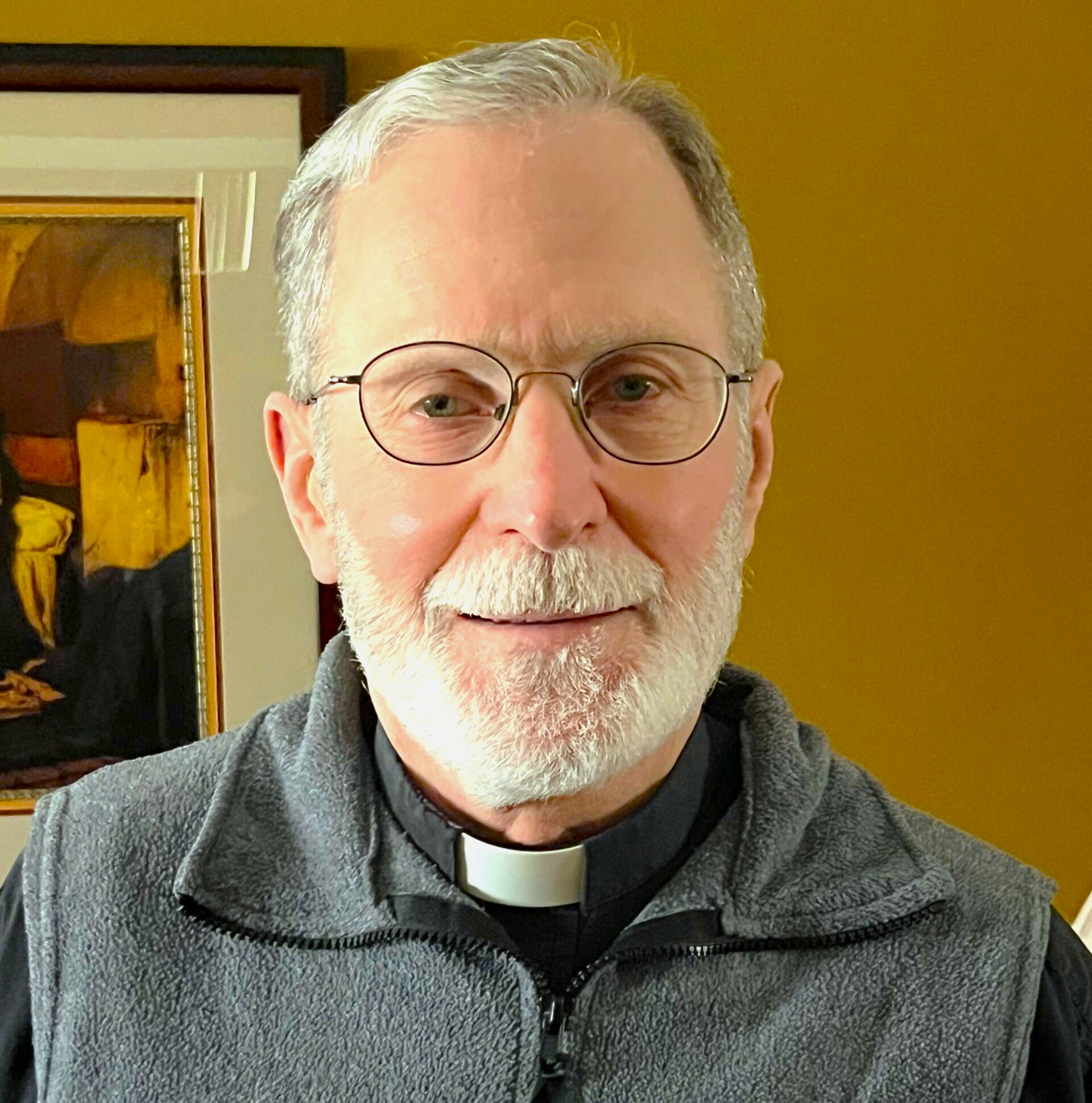
From The Pastor
Advent is not a long season. It may seem long in anticipation of the events of Christmas. Like any spiritual journey, Advent is a discipline. We are called to mentally, emotionally, religiously, and especially spiritually prepare with disciplined intention to the mystery of the Word Made Flesh; God choosing to come into the world in our human condition through the Virgin Mary. Any extended period of preparation that calls for attentive awareness can seem like a long time. Given the profound joy and eternal transformation of what we celebrate at Christmas, the Third Sunday of Advent alerts us to the joy of our salvation in the coming of Christ.
This is the reason for Gaudete Sunday. Gaudete is the Latin word for ‘rejoice.’ The joyful hope realized in the birth of our Savior is beyond human expression. Everything is different because Jesus accepted with humble obedience our human condition to fulfill the work of our redemption. What would our world be without the hope and promise of our Savior? What would be the meaning and purpose of our lives? The gift of redemption made possible by the Incarnation is the deepest identity and meaning of our lives.
Why should we have to be told or reminded to be joyful? Consider the first reading today. The Prophet Isaiah presents us with the contrast of opposites. As much as we try, it is impossible to find heaven on earth. Heaven will never be fully known or realized on earth. Give up the illusion and the lie that a perfect uninterrupted life can be found here. Isaiah is given a vision of glory and the harmony that awaits us in heaven. Water will spring forth in the desert, flowers will bloom, and all will sing of the glory of God. Those with illnesses or disabilities will have wholeness and harmony in the fullness of life. This is a vision of heaven. How are we to know and experience this kind of harmony in the reality of our human condition in such a wounded world?
Joy is a gift given by God. As spiritual beings, joy is God breaking into our human spirit to awaken, heal, and inspire. An experience of joy is deep and enduring. It is an interior movement that stirs the soul, awakens the heart, and inspires an awareness of inner goodness and love. Spiritual joy comes from grace that moves the person to a new self-understanding that often draws and inspires a change of heart.
Joy can happen in the ordinary movements of daily life. Joy connects us to our spiritual nature within, yet far beyond things of religion. Consider falling in love, getting married, giving birth to a child, restoring a relationship, getting a puppy for Christmas, or a person deathly ill who is restored to good health. A beautiful sunset or a clean house; the list is endless. Joy alerts us to the presence of God.
Consider the life of John the Baptist who prepared the coming of the Lord. John is filled with the passion and joy of God’s call on his life, despite the hardships and suffering he endured. In today’s reading, John is in prison, coming to the end of his life. He hears about the works of God in Jesus and wants to know if he is the one who is to come. Given John’s circumstance, this is an honest question. Knowing that Jesus was ‘He who is to come’ allows John to surrender in joyful hope to the fate that lies before him, secure in the mission he has now fulfilled.
Notice the contrast. The martyrdom of John the Baptist is a precursor that anticipates the crucifixion of Christ. Joy can be found in profound suffering, sacrifice, and self-giving. Every woman who bore a child knows that. Any father who pines over the safety and mature development of his child knows the same. Indirect as they may appear, these human realities reflect the work of Advent. We are all longing and hoping for something. The path to joy may seem paved with sacrifice, yet it reveals the joy of our redemption.
In that sense, joy is a discipline. Everybody wants a beautiful garden that produces sweet flowers and fruits. Not many want to till the soil, dig out the rocks, or pull the weeds. Joy can be the same. Opening our hearts, resisting countless distractions, and preparing a heart for love paves the way for joy.
How do you plant a garden that grows joy? Practice gratitude. See the good in life and name it, give thanks for it. Connect with others, be in relationship, share yourself and receive the other. Find your passion in a meaningful purpose. Put it into action. Reach for things that take you beyond yourself. When the invitation for change presents itself, take it. Be for others even when it calls for sacrifice. Do not be afraid to sit still. Be present: to yourself, to God, in nature, or another person. Life is beautiful and a seedbed for joy.
Father John Esper
Recent Sermons
Homily , June 28, 2026
June 28, 2026
Homily , June 21, 2026
June 21, 2026
Homily, June 14, 2026
June 14, 2026