
Homily, August 31, 2025
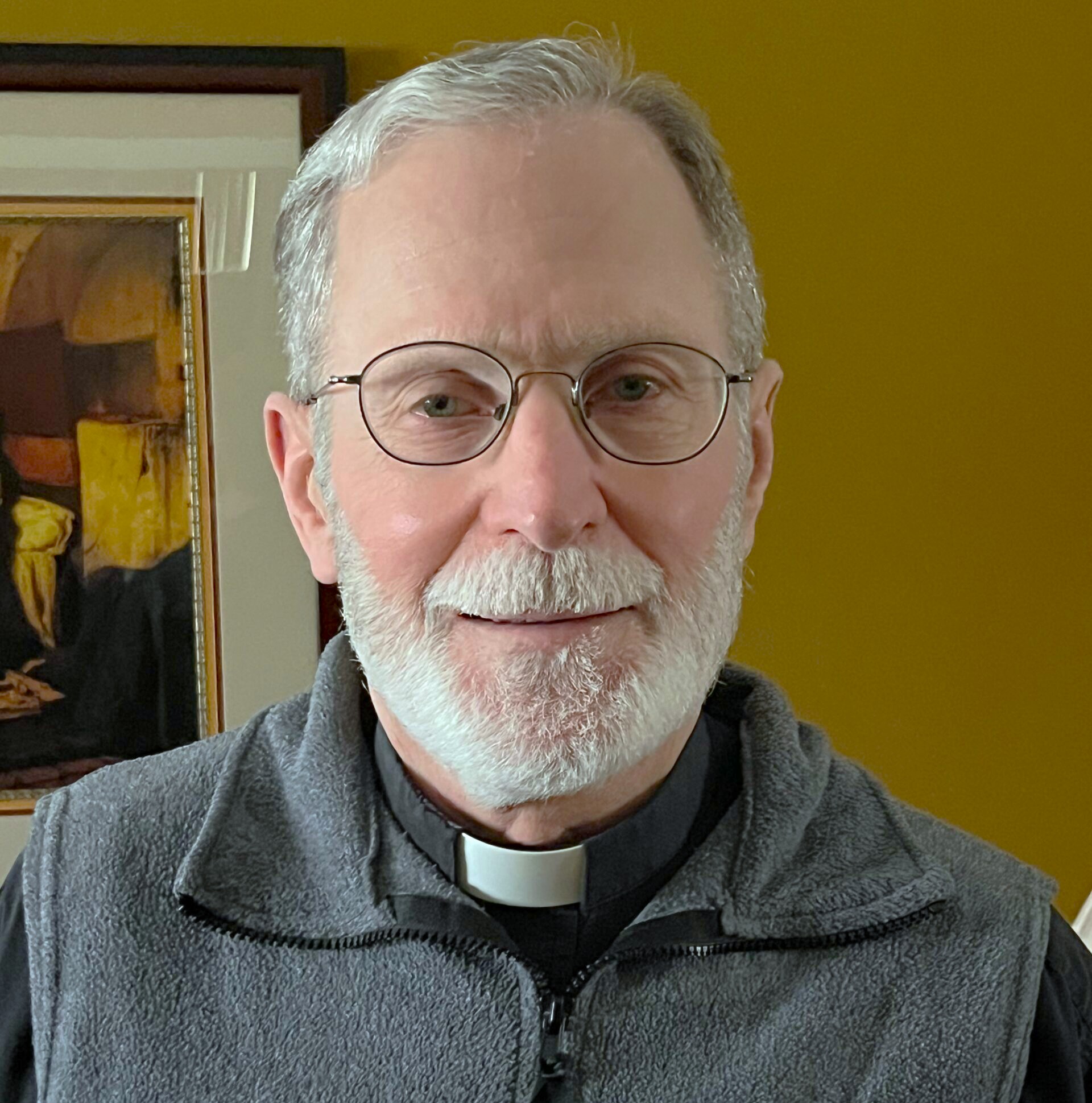
From The Pastor
What makes God humble? What allows Jesus to be so freely self-giving in the love and service of others? Why is humility an essential Christian virtue?
The theme of our readings today is humility. What better place to start than with God? To understand the humility of God is to accept and believe in the nature and identity of God. As the Supreme Being, God is Almighty. In the human sense, we tend to perceive God as having and getting everything God wants, when he wants it, and how he wants it. In our limited and vulnerable human nature this perception comes naturally. It is why we are slow to trust God, holding on to fears of unworthiness or sin that may lead to punishment. A punishing God is a contradiction to the nature and essence of God whom we profess to be the essence of unchanging love.
To say God is Almighty understands that God is unlimited, unmerited, freely given self-surrender. This is the humility of God. God has no need or desire to protect, defend, or promote the Divine power. God has no ego to defend, no goods to protect, no ego to promote for the sake of self-importance. God is love; an endless wellspring of the flowing waters of love that give life.
Jesus, whom we profess as the Christ, is the incarnate, human example of Divine humility. Humanly, Jesus had an ego; a strong and focused ego that was free to be vulnerable to serve freely, as well as to be secure against the attacks and rejection of others. Jesus was the fullness of humility in his freedom and desire to relate to and include all persons. Jesus chose to live among the poor, the rejected, the sinners, and the sick. He was equally free to love and interact with the rich and the powerful without becoming defensive or needing to egotistically defend his person, words, and actions.
How could Jesus so freely and boldly do this? Being free from sin, Jesus had no inner divisions, no self-rejection, or shame to hide or defend against the accusations and false judgements cast upon him. Secure in the Father’s love, Jesus was the perfect agent to reveal and make the Father’s love present in the world. This does not mean Jesus did not feel the emotional pain of rejection, hatred, or the shame of our sin cast on him, as well as the surrender of his life on the Cross. This is the not so hidden humility of Jesus that revealed his glory. The glory of Jesus was a surrendered glory that revealed the undefeatable love of our heavenly Father. Thus, the fruit of our redemption.
What does this mean for us who are not free from sin? This is the purpose and the point of today’s readings. Dining with the Pharisees, Jesus comments on those seeking the places of honor. This is the action of a weak ego, dependent on the praise of others to create an image of self-importance. Jesus is not referring to table manners. The point is humility in the interest of love and respect for others who are equally worthy of dignity and respect.
How does a person grow in mature humility? The basic ground of humility is to see and accept reality as it is, rather than living behind a mask created by the ego that presents a false persona. Short answer? Know yourself. Love and accept yourself as you are. God does. Be honest with yourself; both the good and the less good. The parts of ourselves that we reject and try to hide are left behind and remain undeveloped. The ego remains ever vigilant to not expose what we consider the weak and undesirable parts of us to others.
This is the meaning of inviting to the table those who are unable to repay the favor. In the parable, the poor, the crippled, the lame and the blind are those parts of the self that have been rejected and uninvited to have a place at the table. To be humble and loving of self is to do the inner work of loving, healing, and accepting those parts of the self that we would rather reject and leave unseen.
God rejects no one. Consider the story of the Dives the Rich Man, and Lazarus the beggar at his door. The Rich Man hides behind his wealth and daily splendor, while the part of himself he rejects, Lazarus sore covered and hungry remains at the door unseen. No humility here. Excessive pride, hiding behind wealth and comfort is blind to the inner self begging to be seen and accepted with love. We all have this in one way or another. This is not the sinful self, but the rejected self that begs to be allowed at the table.
This is the humility of God modeled in the life of Jesus, the Divine humility. In the purity of love, Jesus accepted and brought every sin, shame, and rejection of ours to the Cross. Consider sitting at table with yourself one day and see what the silent inner voice may want to say. Humble self-love and acceptance win the day and sets the whole person free to be an image and example of Jesus for the good of the world. This takes bold courage to do but sets free the hidden love on the inside begging to be seen and heard.
Father John Esper
Recent Sermons
Homily , June 28, 2026
June 28, 2026
Homily , June 21, 2026
June 21, 2026
Homily, June 14, 2026
June 14, 2026