
Homily, July 27, 2025
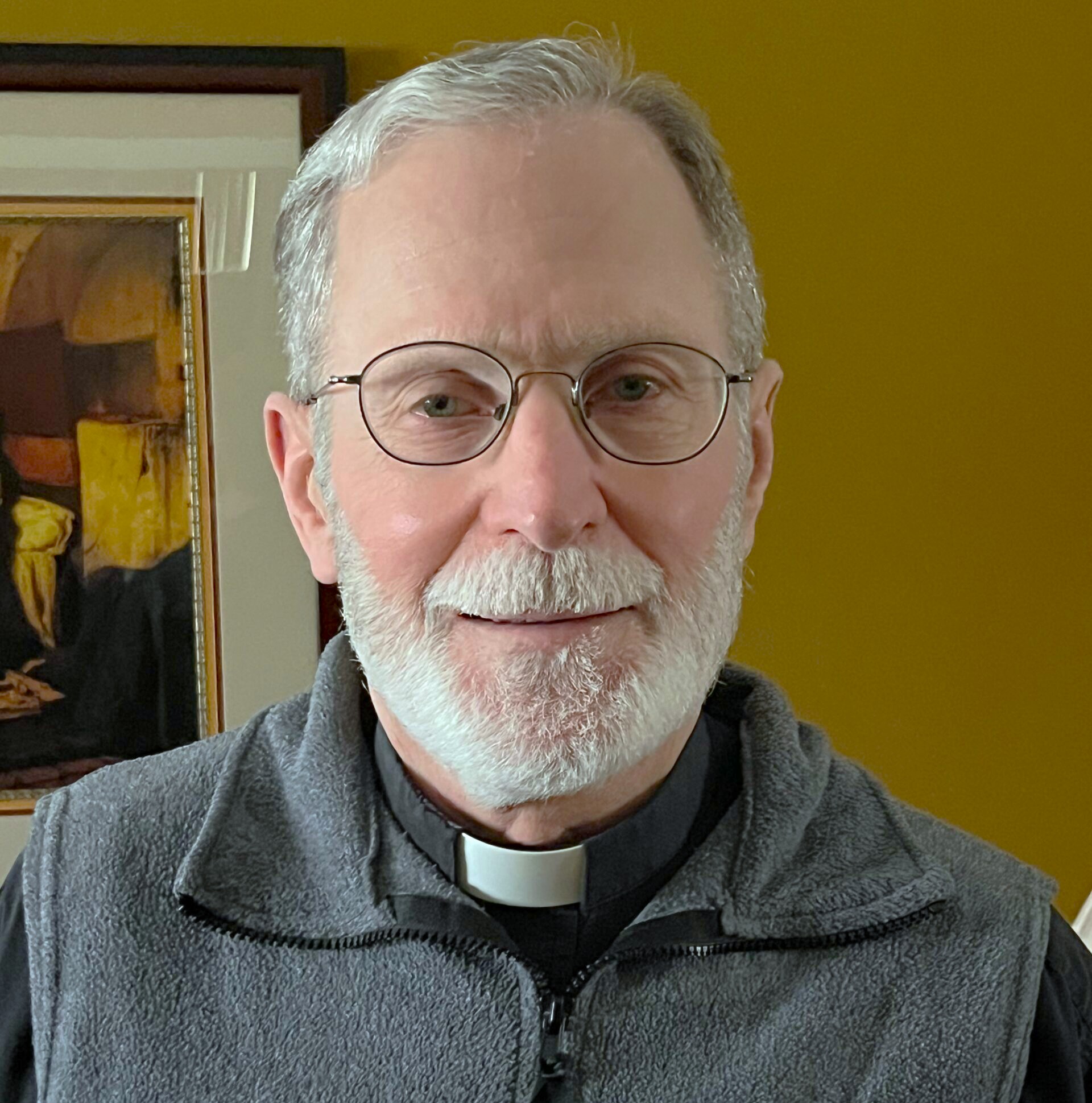
From The Pastor
To understand prayer as a personal relationship was not original to Vatican II. This language was commonly promoted throughout the documents of the Council as it sought to engage the Church in the modern age. Prayer as a personal encounter with God finds its origins in the earliest pages of Scripture. As told in the story of Adam and Eve, God was in the habit of walking in the garden in the evening conversing with our first parents.
In todays first reading Abraham, who lived approximately two-thousand years before Christ, engages God in a bold and intimate way. The story gives the impression Abraham and God have long been acquainted with each other in an active relationship. The point of the story is the persistence of Abraham. On the one hand, Abraham is defending the nature and reputation of God who appears to include the innocent with the guilty of Sodom. On the other hand, Abraham has a personal investment as his nephew Lot, with his wife and children, have settled in the sinful city.
We learned two things from this encounter. Abraham boldly persists in his intercession on behalf of the innocent, including members of his family. Abraham would not likely ask for such a thing, let alone so persistently unless he expected a positive response. Secondly, we learn of the mercy and care of God for the innocent against the offense of the sinful. The story invites our bold and trustful confidence as we petition the Lord for our needs.
This reading paired with today’s gospel, reminds us of the nature and necessity of prayer as an act of faith. Prayer itself is an act of faith that expresses trust in God who is worthy and capable of receiving our petitions. Prayer expresses our love for God with trustful hope that God will hear and respond. Note that the disciples approach Jesus in their desire to pray. You would expect Jesus to take the initiative to instruct these early disciples in this essential practice.
The disciples want to be like their Master. They see Jesus praying and they want to pray as he prays. These disciples knew how to pray as they kept the practices of the Jewish faith, especially the Shema prayer. Realizing the new way of Jesus, they come and present their request.
Jesus responds with the Our Father. Perhaps dulled by repetition, we may fail to realize how personal this prayer is coming from the heart of Jesus. That Jesus would address God as Father was unheard of at the time. ‘Father’, implies the most personal of relationships to the very origin of life. Jesus honors the holiness of God, even as one who shares perfect communion with the Father.
The prayer invites the life of God to become our own life. Our Father, holy is your name leads to, may your name be holy in me. May your Kingdom come implies that the Kingdom is known in me as I seek to be a participant in it. May your will be done in me, as you desire it in heaven. This invocation makes clear that the Kingdom of God is not the work of God alone, but one that expects the participation of those who seek to be part of it.
As the prayer proceeds, we acknowledge our dependence on God for our daily needs, both physical and spiritual, bread and forgiveness. We need bread for the body, but we also need bread/food for the soul. Both are expressions of God’s providential care. Physical needs are obvious. We do not need to be reminded of our hunger for food, shelter, safety, and belonging. We often need help to see and accept our need to be forgiven our sins. In the petitioning forgiveness for our faults, reciprocal forgiveness of the sins of others is expected. Mercy itself is a relationship. To receive mercy, one must be willing to share and offer the same mercy to others.
The gospel concludes by calling us to persist in petitioning the Lord for our needs, particularly asking the Father to give us the Holy Spirit. The Holy Spirit brings us to faith in Jesus. Jesus brings us to the Father. St. Paul says we do not know how to pray as we ought. It is the Holy Spirit who prays within us and carries our petitions to the heart of the Father.
Prayer is love. Prayer expresses our love for God as we surrender our needs to the goodness of Divine Providence. Intercessory prayer is an act of love as we lift those in need to the Lord. God, the Supreme Being and Creator of the universe is always available to you. Beyond our endless needs, often the best prayer is to just sit and offer your love to God with heartfelt and trusting hope. Don’t just do something, sit there. God is praised and you are blest.
Father John Esper
Recent Sermons
Homily , June 28, 2026
June 28, 2026
Homily , June 21, 2026
June 21, 2026
Homily, June 14, 2026
June 14, 2026